
Thinking about starting a yogurt business in Sri Lanka but not sure how to actually get it off the ground?
You’re in the right place.
In this post, I’ll show you how to start a yogurt business, from making the product to getting your first customers. I’ve broken it down as simply as I can so you don’t have to figure it out through trial and error like most people do.
But before we get into it, I need you to keep this in mind:
The yogurt market here is more competitive than it looks.
So if you’re thinking of just making plain yogurt and hoping people buy it, that’s going to be a tough road. You need a clear reason for someone to pick yours over what’s already on the shelf.
#1 Start With A Simple Business Model
The biggest mistake I see people make is trying to be everything to everyone on day one. They want to make drinking yogurt, set yogurt, and maybe some fruit-flavored varieties all at once.
Don’t do that. Pick one thing and do it so well that people start asking for it by name.
If you love that thick, traditional set yogurt that reminds you of home, focus on that.

Starting small lets you test the waters without a massive financial risk. You can begin in a small dedicated space, perfect your recipe, and sell to your immediate neighborhood or local “cool spots.”
This way, you learn the quirks of the dairy market (like how humidity affects your fermentation) without having a massive factory overhead hanging over your head.
Keep it lean, keep it simple, and let the quality of the yogurt speak for itself while you find your footing.
Also Read: How To Start A Laundry Business In Sri Lanka
#2 Understand The Legal Requirements
This is the part people tend to ignore… until it becomes a problem.
Since you’re dealing with food, there are rules you need to follow. Not just for compliance, but also to build trust with customers and retailers.
At a basic level, you’ll need to register your business. A sole proprietorship works fine when you’re starting out.
Then comes the more important part: getting approval for your production setup.
The Public Health Inspector (PHI) will check your space, your hygiene practices, and how you handle food. If your setup isn’t up to standard, you won’t get approval (more on this in a sec).
There are also labeling requirements. Your yogurt needs to clearly show ingredients, expiry date, and basic product information. This isn’t just a formality. Shops and supermarkets won’t take your product seriously without proper labeling.
Getting this sorted early saves you headaches later.
Plus, it also makes your business feel legit from day one.
#3 Secure A Consistent Milk Source
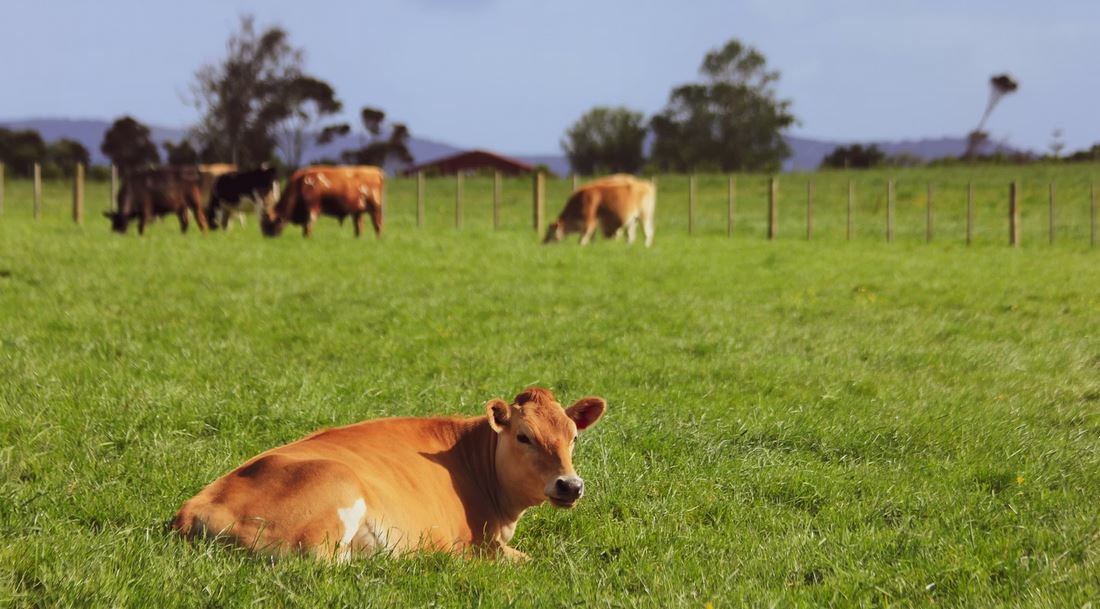
This is probably the most important part of the whole operation because your yogurt is only as good as the milk you put into it.
You can’t just rely on buying cartons from the store if you want to make a profit.
In Sri Lanka, milk supply can be a bit unpredictable. Prices fluctuate, and availability can vary depending on where you are.
So you need to lock this in early.
You’ve got a few options. You can work directly with local farmers, which gives you better control and often better quality. You can buy from collection centers, which is more convenient but sometimes less consistent.
Some businesses even use milk powder, especially in the beginning, because it’s easier to manage.
There’s no perfect answer here. What matters is consistency. Your yogurt should taste the same every time someone buys it. That only happens when your milk source is reliable.
Also Read: Withholding Tax Rates Sri Lanka
#4 Design A PHI-Compliant Production Space
Before you even think about production, you need a space that meets PHI standards.
It doesn’t have to be a giant factory, but it has to be clean. We are talking about tiled walls that are easy to wash, a floor that drains properly so water doesn’t pool, and a space that is completely sealed off from flies and dust.
I recommend you invite your PHI over for a chat before you finish your renovations. Most of them are actually quite helpful if you show them you are serious about hygiene.
They will tell you exactly where they want the sinks and how the drainage should look.
It is much better to get their input early on than to have them tell you to tear down a wall after you’ve already started.
#5 Set Up Your Production Process
This is where the magic happens, but it’s also where consistency is everything.
Making yogurt isn’t complicated. It’s a controlled process that needs to be done the same way every single time.
You start by heating the milk to kill unwanted bacteria. Then you cool it down to the right temperature and add your culture. That’s what turns milk into yogurt. After that, it needs time to ferment, followed by proper chilling.
Sounds simple, right? It is.
But small variations in temperature or timing can change the texture and taste.
As you grow, you might invest in equipment like pasteurizers or larger fermentation tanks.
In the beginning, though, you can keep things pretty basic as long as you maintain cleanliness and consistency.
Dial in your process and stick to it. That’s what builds trust with your customers.
Also Read: Business Ideas For Sri Lankans
#6 Create A Product People Actually Want
Good yogurt alone isn’t enough anymore. People have options. Lots of them.
So your product needs to stand out in some way.
Flavor is the obvious place to start. Plain yogurt has its place, but flavored options tend to sell faster. Mango, strawberry, wood apple and other local flavors can really work in your favor.
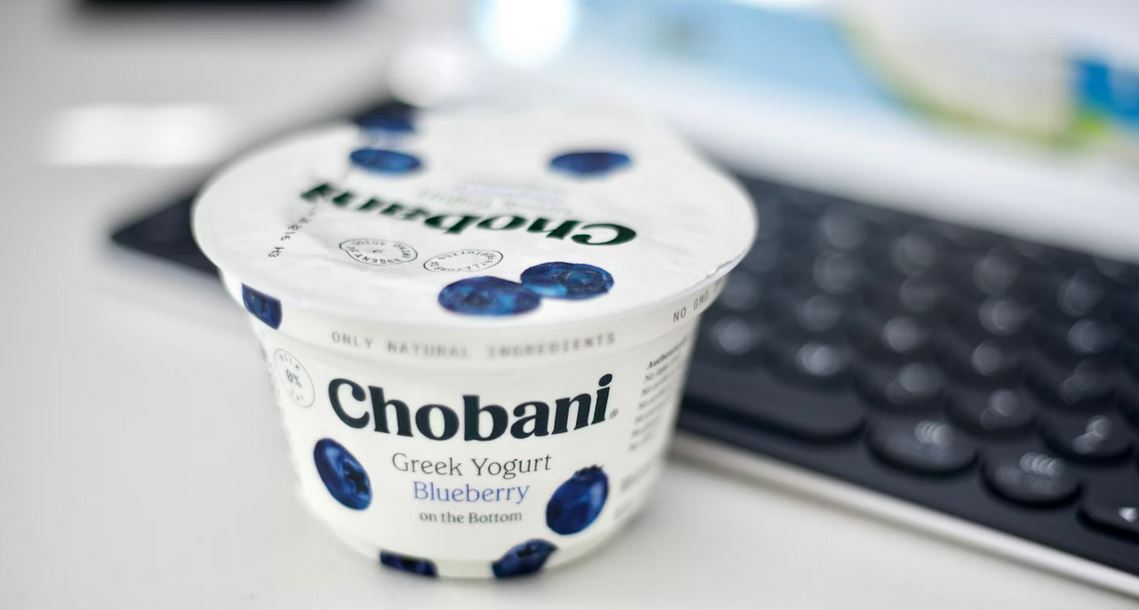
Some people like it thick and creamy, others prefer something lighter. You might even experiment with a Greek-style version down the line.
Then there’s sweetness. Get that balance right.
Too sweet, and it feels artificial. Too bland, and people lose interest.
You don’t need a huge product line right away. Start with a couple of solid options, make them really good, and build from there.
#7 Packaging And Branding (This Is What Sells It)
People judge products by how they look. Especially food.
You could have amazing yogurt, but if the packaging looks cheap or unclear, it’s going to sit on the shelf.
Your packaging should be clean, simple, and easy to understand. Food-grade cups with sealed lids are the standard. Make sure they’re properly closed and hygienic.
Your label doesn’t need to be fancy, but it should be clear. Name, flavor, expiry date, and basic info should be easy to read at a glance.
Branding is what makes people remember you. A simple logo, consistent colors, and a recognizable look go a long way. You don’t need a big budget for this. You just need something that feels intentional.
#8 Distribution
This is where many small businesses struggle, not because the product is bad, but because it doesn’t reach enough people.
Start local. Nearby grocery stores, small shops, and cafes are your best entry points. Build relationships with shop owners. These owners are usually happy to support a local business if the product looks good and the margin is fair.
If your product sells, they’ll keep ordering.
Yogurt needs refrigeration, so you’ll also need to think about how you transport and store it.
As you grow, you can look at expanding into office canteens, supermarkets or setting up regular delivery routes.
#9 Do Digital Marketing
You don’t need a massive advertising budget to get the word out.
Start an Instagram and TikTok page for your yogurt brand and show the “behind the scenes” of your production. Sri Lankans love seeing how their food is made, and showing off your clean, tiled kitchen and fresh milk delivery builds huge trust.
You can also make nice reels and start uploading them. There are tons of AI tools out there that can make photos/videos.
Here’s a nice Youtube tutorial.
The advantage of doing reels is that these platforms (even Facebook pages) automatically show your reels to people organically and you don’t need to spend on ads.
Speaking of ads, you can also run some targeted Facebook ads in your city to let people know where they can buy your yogurt. You can even offer a home delivery service for “family packs” on the weekends.
Engaging with your community online turns customers into fans who will go out of their way to find your product at the store.
How Much Does It Cost To Start A Yogurt Business?
Costs can vary a lot depending on how you start, but let’s keep it realistic.
If you’re starting small from home, you might spend somewhere between Rs 100,000 to 300,000. That covers basic equipment, initial supplies, and setup.
Add another Rs 20,000 to 50,000 for registrations and approvals.
Your ongoing costs will include milk, packaging, electricity, and transport. Milk is usually the biggest expense, followed by packaging.
If you move into a larger setup, costs can jump into the millions.
Equipment, space, and cold storage all add up quickly. That’s why starting small makes sense. You can generate income first, then reinvest into growth instead of putting everything on the line upfront.
Final Thoughts
Starting a yogurt business in Sri Lanka is a bit of a hustle, but it is incredibly rewarding.
There is something so satisfying about seeing someone enjoy a product you made from scratch with your own two hands.
It’s a business that supports local farmers, provides a healthy snack for the community, and has plenty of room for growth if you stay consistent.
Take it slow, get your PHI on your side, and focus on that creamy texture. Before you know it, you’ll be the one people are talking about when they’re looking for the best yogurt in town. Good luck, you’ve got this!